When your hearing feels obstructed, it can impact your daily routine and leave you feeling withdrawn from your environment. While the fear of lasting hearing damage is a common first reaction, the actual culprit is frequently a simple collection of earwax.
Distinguishing between a wax impaction and true hearing loss is crucial for determining if you need a simple cleaning or a formal diagnostic exam. There is no reason to feel stressed if auditory inputs seem muted. While only a clinician can verify the cause, reviewing these essential markers of wax vs. hearing loss can provide immediate insight.
How to Identify a Cerumen Impaction
Earwax is essentially a healthy, natural secretion designed to protect the ear canal from dust and foreign debris. Issues arise when too much wax accumulates or becomes clogged.
Standard indicators of an impaction include:
- A noticeable reduction in hearing volume
- A sensation of pressure or blockage in the ear
- Physical tenderness or localized aching in the ear
- Buzzing in the ear (tinnitus)
- Auditory sharpness that shifts or improves momentarily with jaw movement
Earwax-related hearing issues are often asymmetrical, impacting one ear more than the other. Fortunately, extracting the blockage typically resolves the signs immediately.
Identifying the Markers of Permanent Hearing Loss
Auditory decline, especially age-related or trauma-based hearing loss, tends to progress gradually and doesn’t improve when the ear is cleaned.
Markers of irreversible auditory decline often feature:
- Challenges with speech intelligibility in crowded or loud locations
- Regularly requiring repetition during normal conversation
- Turning up the television or phone volume louder than people prefer
- Difficulty hearing high-frequency tones like birds or children’s voices
- Hearing uniformly reduced in both ears
Contrasted with earwax buildup, auditory impairment doesn’t typically induce a feeling of blockage or pressure.
Contrasting Wax Buildup and Hearing Loss
While evaluating cerumen impaction vs. hearing loss, a handful of clues can help point you in the right path:
- Timing: Obstructions can feel sudden, while auditory decline is virtually always slow
- Sustainability: Clogs are a fast fix, while sensorineural loss requires ongoing management
- Feelings: Tactile “clogging” points to cerumen, while the struggle to clarify sounds points to loss
- Balance: Clogs are often unbalanced, but lasting loss is frequently bilateral
Why Professional Intervention is Necessary
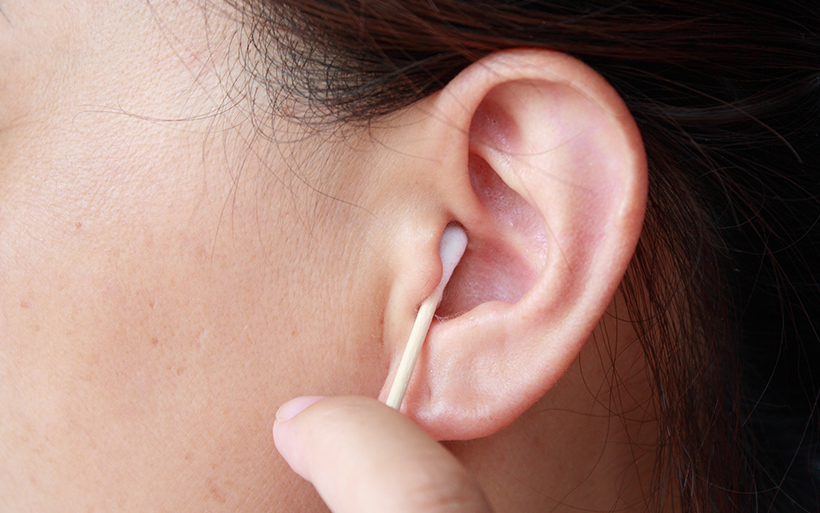
It’s tempting to assume cerumen is the culprit — and reach for Q-tips or over-the-counter kits. Using external objects typically pushes the plug deeper into the ear, heightening the risk of trauma.
According to the National Library of Medicine, inserting objects into the auditory canal increases the likelihood of impaction and injury.
In the same way, ignoring early auditory decline can postpone care that assists in preserving communication, security, and well-being.
What to Expect During a Professional Appointment
A quick professional check-up is the only way to verify if wax is truly the source of your dull auditory issues.
When cerumen is the issue, clinical irrigation or manual removal provides instant resolution.
Should the auditory canal be clear but auditory struggles persist, a hearing test can evaluate if auditory impairment is present and identify its type and severity.
Medical experts suggest obtaining a clinical evaluation as promptly as you notice hearing changes that affect your routine.
Closing Thoughts on Earwax and Hearing Health
Muffled auditory input doesn’t always mean permanent damage.
Very often, the issue is merely a collection of wax that can be easily resolved.
A professional assessment will provide you with the clarity you need to advance without concern.
Keep in mind that home assessment is hardly a substitute for a professional exam when it pertains to your auditory health.
Getting answers early can prevent pointless stress and guarantee you obtain the appropriate treatment at the optimal moment.
Instead of wondering what is wrong, book a rapid check-up with our audiologists to get the truth.

