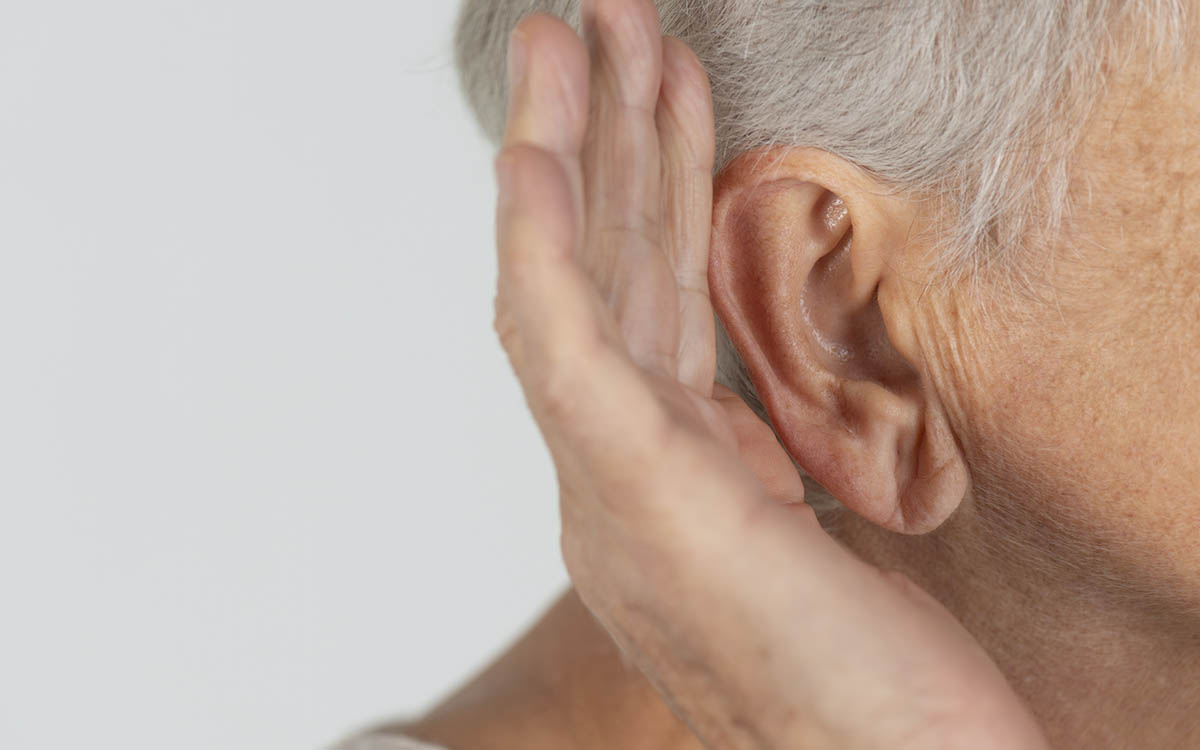
Most people associate hearing loss to the aging process, yet for a vast number of citizens, auditory trauma initiates much earlier in life. Noise-induced hearing loss is one of the most common and preventable forms of damage to our hearing, advancing subtly and remaining undiagnosed until the clinical effects are permanent.
Understanding how noise exposure impacts your ears over time facilitates proactive protection before significant hearing loss occurs.
Pathophysiology of Sound-Induced Auditory Trauma
Noise-induced hearing loss is characterized by the degradation of intricate inner ear components. As reported by the CDC, sustained or frequent exposure to sounds exceeding 85 decibels, such as heavy traffic, can initiate auditory damage. More intense acoustic stimuli, such as power equipment or firearms, are capable of inducing auditory trauma in a matter of minutes.
Within the cochlea are specialized sensory structures referred to as hair cells. These units are responsible for translating sound waves into the electrical signals required for auditory perception. The inability of hair cells to regenerate after trauma explains why noise-induced hearing loss results in a permanent auditory deficit.
Analyzing the Advancement of Ear Damage
A primary clinical concern regarding noise-induced hearing loss is its typically slow rate of progression. Early exposure may cause symptoms like:
- Short-term episodes of Tinnitus or buzzing within the ears
- Subjective hearing attenuation or muffling after high-decibel events
- Difficulty understanding speech in noisy environments
Initial symptoms may subside, frequently resulting in the incorrect assumption that hearing function has returned to baseline. In reality, repeated noise exposure continues to injure inner-ear structures, incrementally diminishing auditory acuity and threshold sensitivity.
The Hearing Loss Association of America reports that approximately 48 million Americans experience some degree of hearing loss, many unaware of the underlying cause.
Frequent Environmental Sources of Auditory Trauma
Modern society is characterized by high ambient noise, which frequently leads to a lack of awareness regarding sound intensity. For this reason, many people are surprised to learn how common harmful noise exposure is.
Identified hazardous sources may include:
- Professional music performances and concert environments
- High-volume output from personal listening equipment
- Gas-powered lawn tools, industrial machinery, and motorcycles
- Professional exposure to high-volume noise in manufacturing and labor industries
Because these sounds are often part of daily life, damage can accumulate without clear warning signs.
Why Preventive Efforts Remain a Critical Priority
Noise-induced hearing loss is physiologically irreversible, unlike many other health impairments. Despite its permanence, the condition is significantly preventable. Adopting straightforward preventative behaviors can markedly decrease the likelihood of injury, including:
- Utilizing hearing protection devices like earplugs in noisy settings
- Reducing personal audio volume and adhering to the 60/60 safety guideline
- Scheduled breaks from noise to facilitate ear recovery time
- Ensuring consistent Audiology check-ups for those in high-noise environments
Triggers for Expert Hearing Evaluations
Should you experience persistent Tinnitus or a decline in conversational understanding, a professional evaluation is indicated. Prompt clinical evaluation is vital for tracking auditory status and formulating effective hearing preservation plans.
Proactive ear protection in the present is essential for maintaining future auditory function. While environmental noise is often inevitable, hearing loss is a preventable outcome. Please contact our clinic to arrange a professional consultation regarding your auditory health.

