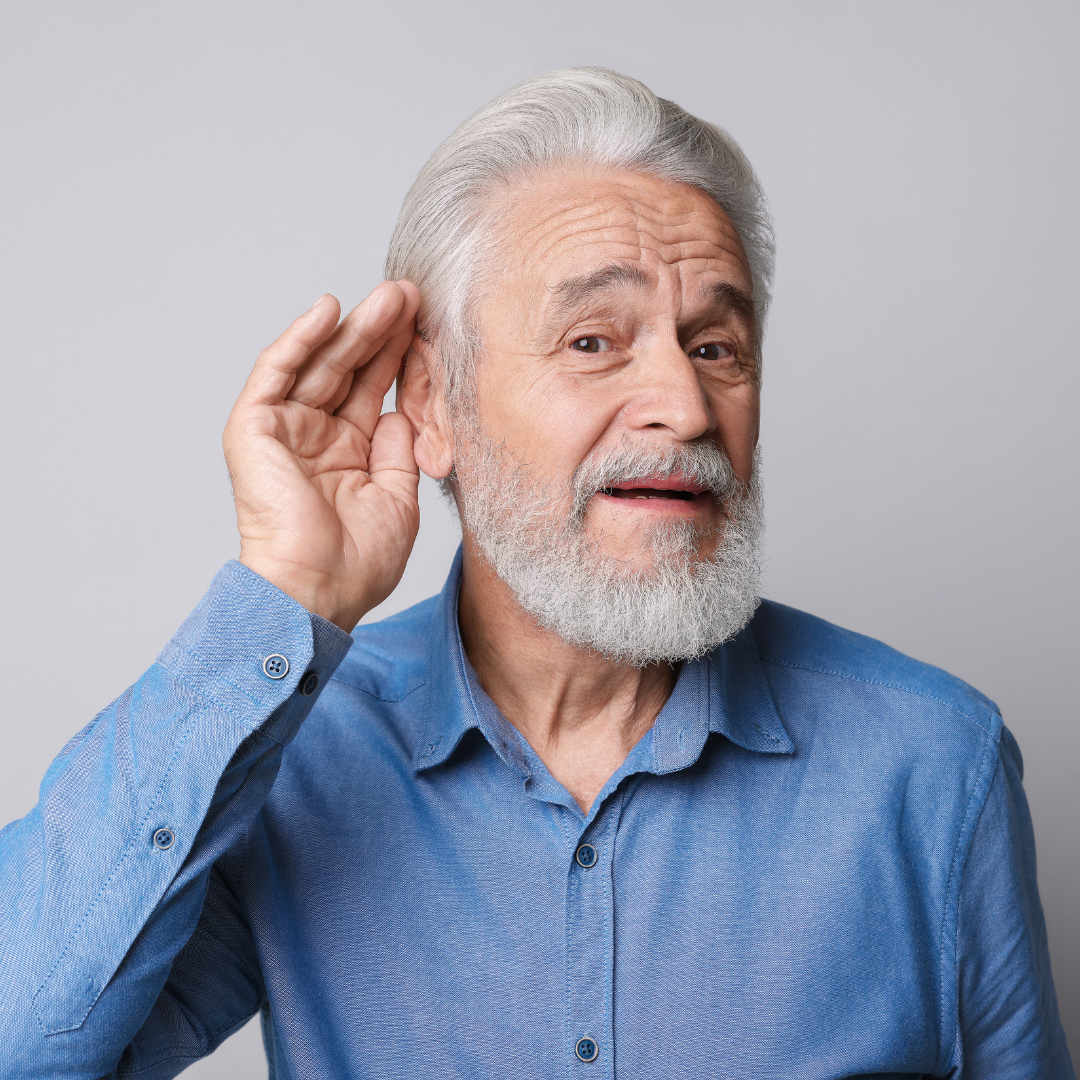
Noticing an immediate hearing loss on one side can be unsettling, leaving affected individuals wondering how to proceed. We deliver urgent diagnostic hearing tests and partner with otolaryngologists to ensure comprehensive medical intervention when hearing drops rapidly. Sudden hearing loss always requires immediate attention from a hearing specialist to explore treatment or hearing rehabilitation when needed.
Is Sudden Loss of Hearing in One Ear An Emergency?
Yes, without question. Sudden hearing loss in one ear should be treated as a medical emergency, particularly when it develops within hours or over a few days. Sudden sensorineural hearing loss, colloquially known as sudden deafness, compromises the sensory hair cells of the inner ear or the auditory nerve. It generally arises in the absence of pain, causing individuals to mistakenly assume their ear is simply plugged or congested.
Common clinical manifestations include:
- A sudden degradation of hearing volume or clarity affecting a single ear
- Difficulty hearing through one ear during a phone call
- A noticeable pop or sudden sensation of aural pressure just before hearing drops
- New ringing, buzzing, or roaring in the affected ear
- Concomitant dizziness, spatial disorientation, or true spinning sensations
Do not wait for hearing to restore on its own. Seek same-day diagnostic guidance from our practice, an urgent care physician, or an otolaryngology specialist.
Why Rapid Clinical Intervention Matters for Sudden Unilateral Hearing Loss
Prompt diagnosis is paramount because pharmaceutical therapies for sudden sensorineural hearing loss achieve optimal outcomes when initiated immediately. Our clinicians must first identify whether the deficit is conductive—caused by cerumen impaction, middle-ear effusion, or ossicular dysfunction—or sensorineural, involving the cochlea or auditory nerve. Both conditions produce overlapping sensations of aural fullness and hearing loss, but their clinical interventions are entirely divergent.
Otoscopic examination and full-battery diagnostic hearing testing determine the specific classification, audiogram pattern, and severity of the hearing loss.
Contact emergency medical services immediately if sudden auditory decline presents alongside:
- Unilateral facial paralysis, localized weakness, or facial numbness
- Trouble speaking, confusion, or a severe new headache
- Acute visual disturbances, fainting spells, or marked ambulatory unsteadiness
- Sudden chest pain or clinical hallmarks of a systemic medical crisis
These red-flag manifestations often signify a life-threatening neurological or cerebrovascular crisis requiring emergency hospital care rather than an outpatient visit.
Potential Etiologies of Sudden Sensorineural Hearing Loss
For the vast majority of patients with sudden sensorineural hearing loss, the exact etiology remains idiopathic. In instances where a cause is verified, it often centers on vascular disruption, inner-ear inflammation, mechanical trauma, autoimmune destruction, or auditory nerve pathology.
Potential medical causes encompass:
- Acute viral labyrinthitis or bacterial infections
- Mechanical head injury or sudden exposure to high-intensity blast noise
- Systemic autoimmune disease or autoimmune inner ear disease (AIED)
- Ingestion of ototoxic pharmaceuticals known to compromise inner ear structures
- Localized microvascular occlusions or compromised blood circulation
- Primary inner ear disorders, such as endolymphatic hydrops or Ménière’s disease
- Neurological conditions such as multiple sclerosis
- An acoustic neuroma or vestibular schwannoma resting on the eighth cranial nerve
Since patient symptoms alone cannot isolate the precise pathophysiological cause, immediate physical exam and audiologic testing are essential.
How Is Sudden Sensorineural Hearing Loss Treated?
Clinical administration of corticosteroids remains the leading therapeutic approach for idiopathic sudden sensorineural hearing loss. They may be taken by mouth or delivered through the eardrum into the middle ear, where the medication can reach the inner ear. Our clinical team outlines therapeutic options tailored to your specific case, factoring in symptom latency, severity of the loss, comorbid medical conditions, and medication tolerances.
Steroids are typically administered within the first two weeks of onset, making it critical to begin medication as early as medically appropriate. Intratympanic steroid injections may also be recommended as salvage treatment when recovery is incomplete. In specific clinical presentations, the otolaryngologist may recommend combining hyperbaric oxygen therapy alongside standard steroid regimens.
Understanding Spontaneous Recovery in Sudden Sensorineural Hearing Loss
A sudden sensorineural hearing loss may occasionally resolve on its own without pharmacological treatment. Epidemiological data suggests that approximately 50 percent of diagnosed patients recover partial or complete auditory sensitivity spontaneously, typically within the first fourteen days. Still, there is no clinical way to predict at symptom onset who will experience spontaneous recovery, how much hearing will be regained, or whether stability will persist.
Relying on the chance of spontaneous improvement is never a valid justification for delaying immediate medical care. Medical interventions become markedly less effective at reversing permanent deficits when delayed by weeks, closing a critical therapeutic window. Final patient outcomes vary widely, spanning full recovery, partial gains, or minimal improvement.
Rehabilitation Options for Treatment-Resistant Sudden Hearing Loss
If hearing does not fully recover, the next step depends on how much hearing remains, how well the affected ear understands speech, and whether an underlying cause has been ruled out. We often coordinate a contrast-enhanced MRI study or an auditory brainstem response test to evaluate the vestibulocochlear nerve pathway.
Extended rehabilitative solutions may incorporate:
- Fitting a traditional hearing aid whenever the affected ear possesses aidable hearing capacity
- A CROS system that sends sound from the poorer ear to the better ear
- Bone-conduction hearing implants or transcutaneous bone processors for suitable clinical patients
- Cochlear implantation designed to restore binaural hearing in qualifying cases of single-sided deafness
- Tailored assistive listening systems to improve communication across work, academic, or social settings
Targeted audiologic rehabilitation provides strategies to manage cognitive listening exhaustion, impaired sound localization, and interpersonal communication hurdles. The appropriate auditory solution depends entirely on objective hearing test outcomes, lifestyle requirements, systemic health, and patient preferences.
Book an Immediate Diagnostic Hearing Evaluation
Should your hearing acuity decline abruptly today or over recent days, pursue immediate same-day clinical guidance rather than booking a routine appointment. Our clinic will perform comprehensive diagnostic hearing testing, compare thresholds between ears, document onset chronology, and coordinate urgent care with an ENT physician.
Contact us to request a prompt hearing appointment.

