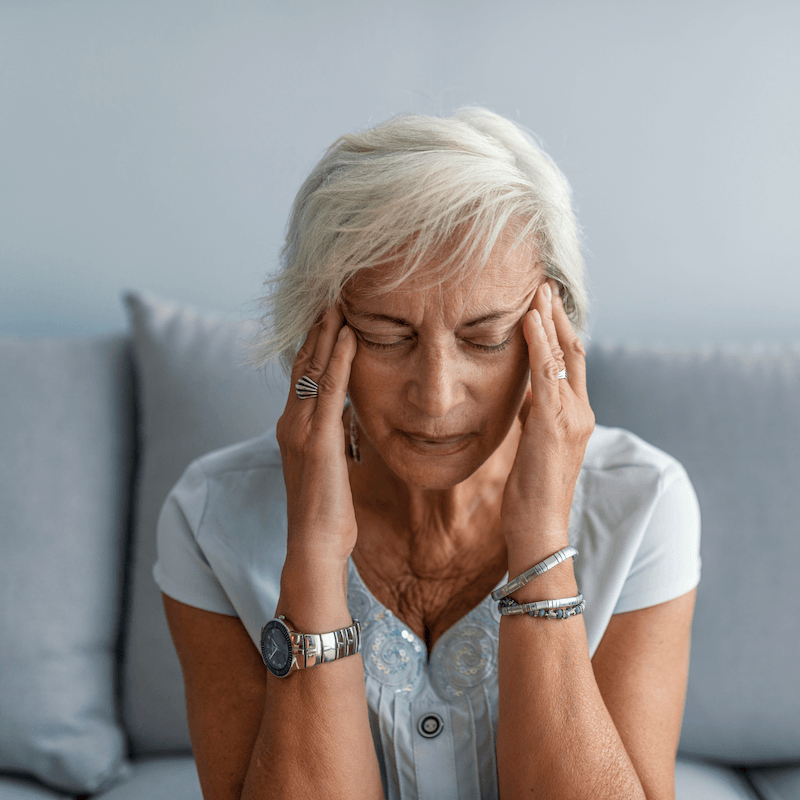
Not all migraine episodes involve throbbing head pain, as a vestibular migraine primarily compromises balance, motion sensitivity, and spatial stability. At our ENT clinic, we investigate recurring dizzy spells to verify whether vestibular migraine or a distinct balance pathology is driving symptoms. To achieve successful migraine treatment, patients must understand their symptom patterns and report them accurately to their medical provider.
Vestibular vs. Classical Migraine: Key Differences
While vestibular migraine and conventional migraine share an underlying neurovascular origin, their predominant clinical presentations diverge. A classic migraine episode characteristically features moderate to intense cephalalgia that is unilateral, throbbing, and worsened by routine physical movement. Symptoms such as nausea, emesis, light and sound sensitivity, and visual aura phenomena frequently coincide with the head pain.
Vestibular migraine characteristically triggers episodes of spinning vertigo, persistent dizziness, unsteadiness, and motion intolerance. While head pain may coincide with an episode, a headache is not clinically required for each vestibular attack. Attacks may involve a false sense that the person or room is moving, dizziness triggered by head motion, or discomfort in visually busy environments.
Standard clinical diagnostic guidelines define vestibular episodes as lasting anywhere from five minutes up to 72 hours. Presentations frequently shift from episode to episode, which can obscure the underlying connection to migraine disease.
What Disorders Cause Vestibular Migraines?
No single disorder is known to cause vestibular migraine. This balance condition appears to reflect shared neurological circuits that modulate migraine signals and vestibular equilibrium data. Genetic predisposition to migraines combined with a documented history of motion sensitivity markedly heightens susceptibility.
Episodes may be triggered by:
- Inadequate sleep duration or irregular circadian rhythms
- Skipped meals or dehydration
- Severe emotional stress or the physical transition period immediately following chronic stress
- Menstrual fluctuations and other significant reproductive endocrine shifts
- Harsh glare, strobe lighting, or visually overwhelming public spaces
- Rapid vehicle motion, vestibular acceleration during transit, or digital screen scrolling
- Alcohol consumption or exposure to specific dietary triggers like aged cheeses or nitrates
- Atmospheric pressure changes, weather fluctuations, or overwhelming sensory stimulation
What Are the Symptoms of Vestibular vs. Regular Migraines?
Typical migraine attacks are often recognized by headache, but migraine symptoms extend beyond pain. Clinical presentations frequently feature nausea, vomiting, visual aura, physical exhaustion, mental clouding, neck pain, and sensory hypersensitivity.
Vestibular migraine may include:
- True rotational vertigo or generalized non-rotational vertigo sensations
- Unsteadiness or loss of balance
- Cervicogenic or vestibular dizziness exacerbated by head motion
- Gastrointestinal nausea provoked by physical movement or riding in vehicles
- Sensitivity to moving screens, crowds, traffic, or patterned surfaces
- Dysperceptions of motion such as internal rocking, floor tilting, floating, or gravitational pulling
- Acute sensitivity to daylight, artificial lighting, loud acoustic sounds, and complex visual environments
- Paranasal or cranial pressure, tension sensations, or classic migraine-type headache
- Reversible aural pressure, sensations of blocked ears, or transient tinnitus
Clinical chronicity, attack longevity, and identifiable triggers assist in separating vestibular migraine from alternative vestibular diseases. Sudden dizziness combined with focal weakness, localized numbness, slurred speech, double vision, loss of consciousness, or gait failure necessitates emergency care.
Concurrent Presentations: Can Vestibular and Regular Migraines Co-Occur?
Yes, clinical overlap is common. Vertigo and acute migraine cephalalgia can manifest simultaneously during a single attack. The dizziness may begin before the head pain, develop while the headache is active, continue afterward, or appear during a separate episode. Some people alternate between headache-dominant and balance-dominant attacks over months or years.
An acute vestibular event can be fully driven by migraine mechanisms even in the complete absence of head pain. Keeping a comprehensive symptom log allows you and your physician to identify clinical connections that are hard to recall later. Be sure to log the onset and duration of dizziness, headache severity, sensory changes, menses, sleep quality, dietary intake, identified triggers, medications taken, and treatment responses. Having this documented history enables your clinician to formulate a significantly more accurate diagnosis.
Establishing a Vestibular Migraine Diagnosis: Testing and Criteria
A definitive diagnosis cannot be established through a single blood draw, MRI scan, or individual vestibular balance test. Diagnosis begins with a detailed description of the episodes and a history of migraine with or without aura. Current criteria generally include at least five moderate or severe vestibular episodes lasting five minutes to 72 hours, with migraine features during at least half of them.
Our clinical evaluation includes targeted neurological exams, oculomotor testing, middle-ear inspections, diagnostic audiometry, and specialized balance studies. Tailored to your specific profile, diagnostics might feature a pure-tone audiogram, canal positional tests, computerized vestibular batteries, or cranial MRI scans. These tests help identify or rule out conditions that can cause similar dizziness. Vestibular migraine is diagnosed only when the pattern fits, and another condition does not better explain the symptoms.
Treatment Strategies: Managing Vestibular Migraines Effectively
Management is customized for each patient depending on attack frequency, degree of disability, headache status, underlying conditions, and medication safety profiles. Most individuals find the greatest relief through an integrated regimen combining daily preventive protocols with an acute rescue plan.
Our practice designs a comprehensive treatment strategy that may incorporate:
- Implementing disciplined daily habits including consistent sleep schedules, regular nutrition, hydration, and exercise
- Identifying and mitigating specific individual dietary, visual, or physiological triggers
- Utilizing behavioral health interventions, relaxation training, or cognitive stress-management techniques
- Medication for nausea or other acute symptoms
- Conservative, short-term application of prescription vestibular suppressants for acute episodes
- Preventive pharmacological agents like beta-blockers, calcium channel blockers, topiramate, targeted antidepressants, or modern migraine therapies
- Prescribed vestibular rehabilitation protocols to alleviate ongoing unsteadiness and motion-induced dizziness
Over-reliance on vestibular suppressants is discouraged because frequent administration causes sedation and impedes central neurological adaptation. All prescription decisions must be established alongside our clinical team rather than borrowed from someone else’s treatment protocol. Patient recovery regularly requires incremental dosage adjustments and ongoing monitoring of treatment response over several months.
Request a Clinical Evaluation for Vestibular Migraine
Should frequent vertigo episodes, persistent unsteadiness, or motion intolerance interfere with your life, book an appointment with our specialists. The initial visit features an in-depth review of migraine history, health factors, and therapeutic aims, paired with diagnostic exams to rule out BPPV, Ménière’s disease, and competing vestibular conditions. Contact our ENT clinic today to schedule your vestibular migraine appointment.

