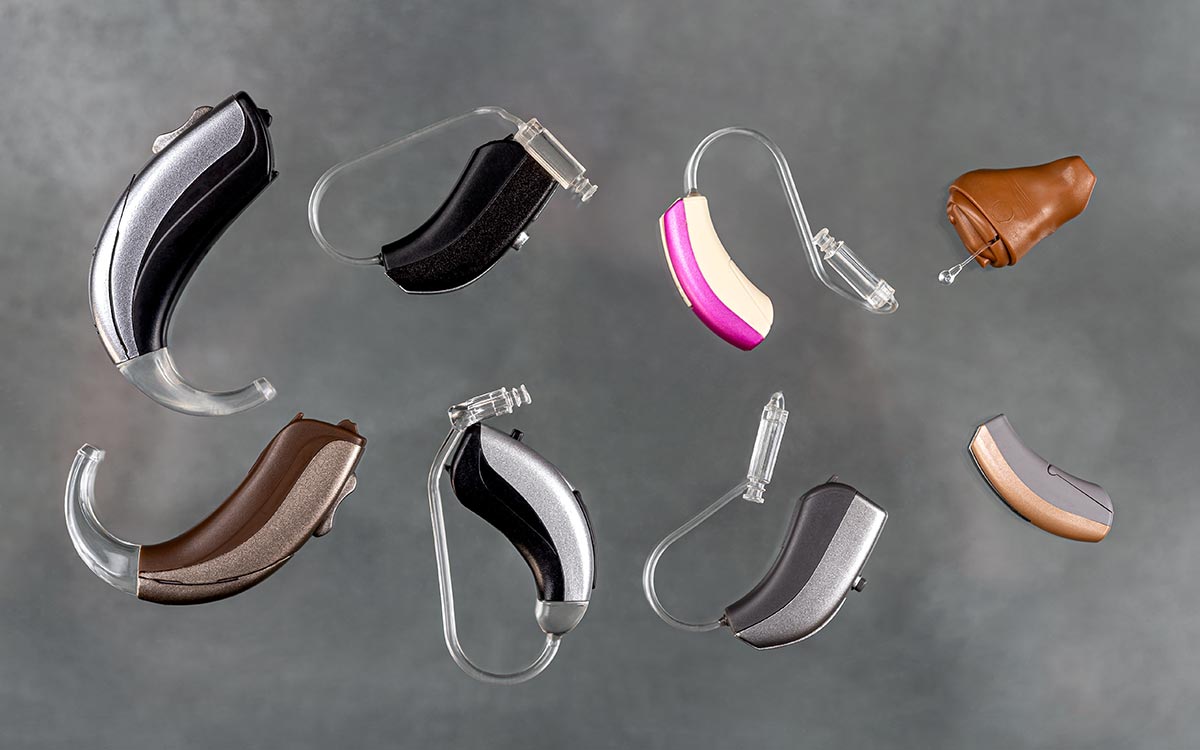
With so many choices in terms of size, style, and technology, the process of picking an instrument can feel quite intense. However, an expert hearing solution exists for every person’s singular needs and daily habits. The key is simply identifying the one that fits you best.
By learning about the differences among various hearing aid models, you can move forward with greater confidence and knowledge. We are planning to analyze the primary styles available today to help you understand what sets each option apart.
Understanding ITC Models
Basic Summary:
A custom device is engineered to rest partially within the ear canal while showing just an inconspicuous section in the outer ear area.
Key Primary Features:
- Provides an understated look compared to traditional styles
- Individualized shaping guarantees long-term wearing comfort
- Appropriate for mild to moderate hearing loss
First-time wearers frequently gravitate toward ITC aids because they strike an ideal compromise between size and performance.
Invisible-in-Canal (IIC) Hearing Aids
How they function:
IIC hearing aids are the smallest custom style available. This style fits deep in the ear for a completely covert appearance.
User Benefits:
- The best option for patients prioritizing appearance
- Provides realistic sound because of where the device sits
- An ultra-light design makes them easy to wear all day
IIC devices are primarily aimed at those with moderate hearing needs who want their technology to remain completely unnoticed.
Understanding In-the-Ear (ITE) Units
Product Information:
ITE hearing aids fill either the entire outer ear (full-shell) or the lower portion (half-shell). They are custom-made to fit the shape of your ear.
Why users prefer this style:
- The increased surface area provides space for extra functionality and extended power
- Great for individuals who find smaller devices hard to manipulate
- Powerful enough to provide sufficient power for severe hearing needs while remaining in-the-ear
The all-in-one nature of the ITE design makes it an ideal choice for those who dislike behind-the-ear equipment.
Exploring BTE Styles
Technical Data:
These devices sit on the outer portion of the ear’s anatomy. Audio is delivered via an ultra-fine tube or a personalized mold in the canal.
Key Strengths:
- Offers a long-lasting and versatile solution for various environments
- Work for nearly all degrees of hearing loss
- The spacious casing enables high-tech extras and built-in power cells
BTE devices are a wonderful option for individuals seeking reliability, ease of use, and strong amplification.
Receiver-in-Canal (RIC) Hearing Aids
Mechanical Setup:
RIC hearing aids look similar to BTE models, but the speaker (receiver) sits inside the ear canal rather than inside the device behind the ear.
Why users select them:
- Known for creating some of the most authentic audio in the industry
- Offers a very low-profile appearance that is easy for almost everyone
- Flexible enough to treat an extensive number of hearing impairments
The combination of design and high-end functionality makes RIC models an ideal choice in the modern market.
Extended-Wear Device Facts
Introduction:
These unique aids are built to stay in the ear canal for an extended period or more, managed by your hearing specialist.
User Incentives:
- Eliminates the need to put in or take out the device every day
- They are virtually impossible for others to notice because of their depth
- Engineered to be worn throughout everyday activities, including sleeping and exercising
These models are the best option for a low-maintenance, seamless hearing experience.
Wireless Smart Connectivity
Functionality:
Bluetooth-ready hearing aids enable a wireless digital bridge between your hearing technology and your smart devices.
Modern Benefits:
- Turn your hearing aids into wireless earphones for all your favorite audio
- Modify settings via an app
- Provides the ultimate in convenience for those who use smartphones regularly
This wireless technology is located in many modern behind-the-ear and in-the-canal models.
Middle-Ear Implants
Technical Definition:
An operatively implanted device that directly vibrates the middle ear bones to amplify sound.
Why implants are utilized:
- Option for those who cannot use traditional hearing aids
- This is a specialized alternative for those with chronic ear canal sensitivity.
An exhaustive consultation with an ENT professional is necessary before considering an auditory implant.
Selecting Your Ideal Auditory Solution
Every hearing aid style provides its own advantages, and the right option depends on your level of hearing loss, comfort preferences, lifestyle, and cosmetic considerations. By consulting a specialist, you can investigate various models and see which one feels most natural to you.
If you’re ready to investigate the possibilities, schedule an auditory evaluation today. It is the most important move you can make toward an increasingly vibrant and confident life.
Sources:
https://www.mayoclinic.org/diseases-conditions/hearing-loss/in-depth/hearing-aids/art-
20044116
https://www.hearinglife.com/hearing-aids/types
https://www.nidcd.nih.gov/health/hearing-aids

