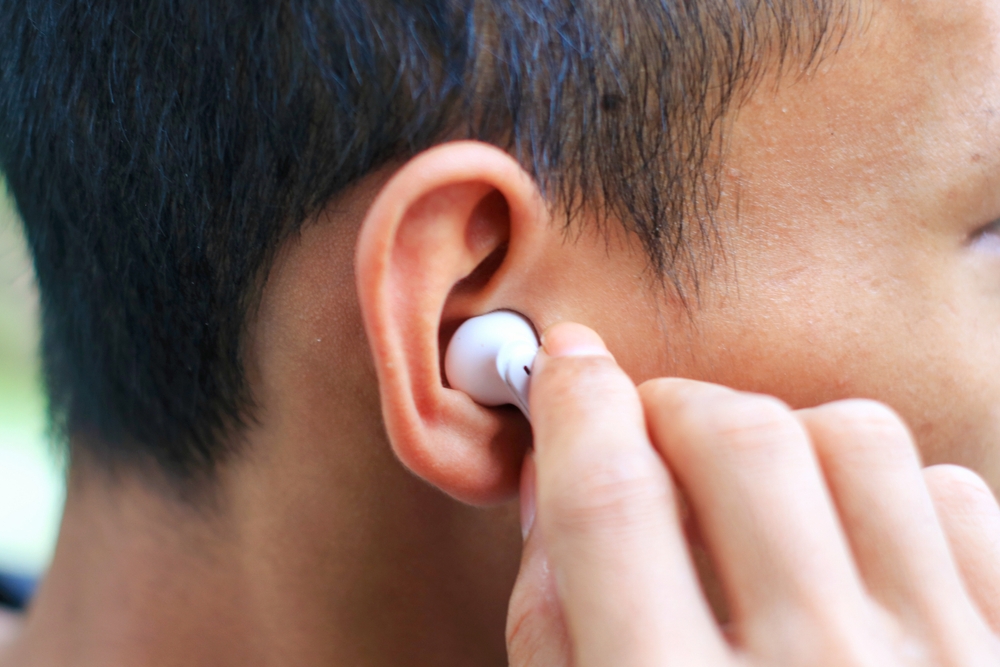
We seldom encounter a teenager or young adult who isn’t currently using a personal audio device. Headphones are a bit more cumbersome, but teens still find them a way to escape from their surroundings. Musical enjoyment knows no age limit, though the younger generation has integrated it more deeply into their daily transitions. This leads to the clinical question: can the proximity of these devices to the ear canal trigger permanent auditory damage? Clinically speaking, the hardware is not the culprit; rather, the risk lies in human behavior and exposure levels.
The Biological Threshold of Auditory Exposure
The right music can induce a state of relaxation, provide spiritual comfort, or drastically boost energy levels. This subjective experience is dictated by the specific characteristics of the chosen track. Personal audio tech provides a convenient way to consume media without infringing on the silence of those nearby. This behavior is socially beneficial, and commuters often report a preference for this shared auditory boundaries on public transit.
The primary clinical concerns center on the precise limits of sound pressure and the length of the listening session. It is well-established that loud noise, regardless of the source, can compromise your long-term hearing sensitivity. Sustained exposure to extreme volumes can result in irreversible trauma to the auditory nerve. Hearing loss occurs gradually, so by the time you realize what’s happening, it may be too late.
The Biological Impact of High-Intensity In-Ear Audio
Volume is the key danger for noise-induced hearing loss. However, the duration of the exposure matters as much as the volume.
- The National Institutes of Health advises that sounds under 70 decibels are generally safe for the human ear.
- Louder noises will cause hearing damage faster than quieter sounds.
- Follow the 60/60 rule. Keep the volume under 60%, and avoid using them longer than 60 minutes at a time.
- You can safeguard your auditory health by reducing device intensity and monitoring your cumulative daily usage.
Warning Signs of Hearing Loss
Common indicators such as “ringing” in the ears and a recurring inability to understand speech in loud rooms warrant an immediate specialist consultation.
Contact our office today if you suspect you may have hearing loss.

