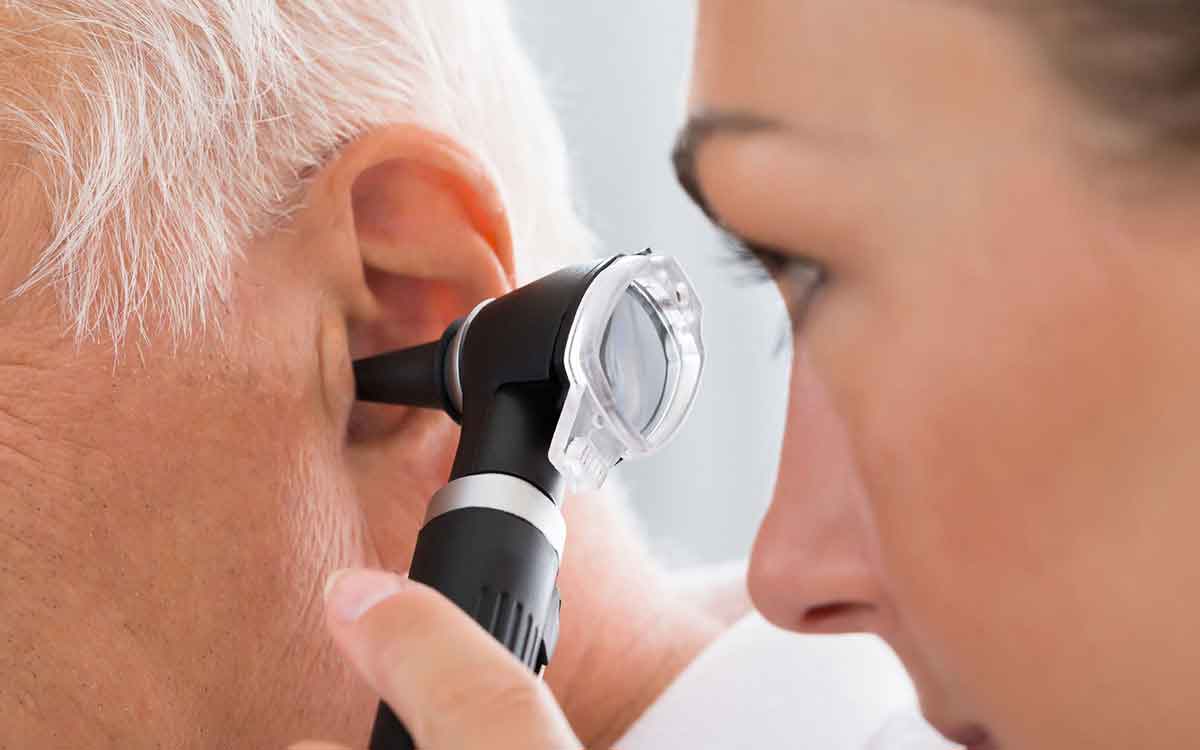
Because hearing loss typically advances slowly, early symptoms frequently go unrecognized by the individual. Subconscious adjustments, such as turning up the television or requesting verbal repeats, often mask the early progression of hearing loss.
Prioritizing an early diagnosis can help with optimizing daily communication.
Recognizing Typical Early-Stage Hearing Loss Symptoms
If you observe any of the listed clinical signs, it is recommended to have your hearing checked.
- Impaired speech discrimination during dialogue within high-noise areas.
- A regular need of requesting clarification during daily interactions.
- Hearing indistinct vocal communication where words appear to merge.
- Setting increased decibel settings for media than is typical.
- Reduced sensitivity to high-pitched stimuli like children’s speech or doorbells.
- Ringing, buzzing, or humming in the ears (tinnitus).
- Feeling cognitively fatigued after social interactions, resulting from increased efforts to hear better.
- Withdrawing from social situations as dialogue has become stressful.
Early symptoms are often unilateral or bilateral and might appear inconsistently at first. Because the brain adapts quickly, many people fail to recognize the extent of their subconscious adjustments until hearing loss advances further.
Auditory Health: Current Statistics and Projections
According to official WHO data, more than 700 million people will necessitate hearing rehabilitation by 2050. Other noteworthy statistics include:
- By 2050, nearly 2.5 billion people are projected to experience some degree of hearing loss.
- Over 5% of the world’s population (430 million people) necessitates rehabilitation to address disabling hearing loss.
- In excess of 1 billion young adults face the threat of irreversible hearing loss due to unsafe listening practices.
- Among those aged 60 and older, more than one-quarter have disabling hearing loss.
Why Early Detection is Key
Failure to address auditory decline influences general health and daily wellness.
Scientific data connects hearing loss with increased risks of social isolation, depression, cognitive decline, and balance issues.
Identifying symptoms at an early stage promotes more effective outcomes and diverse therapeutic choices.
A clinical screening clarifies if hearing shifts are caused by aging, earwax impaction, or different medical factors.
Under certain conditions, auditory shifts are transient and reversible.
In others, early use of hearing aid technology or preventative measures may mitigate further decline.
Indications for a Professional Hearing Evaluation
A professional screening is warranted under the following circumstances:
- Auditory symptoms persist for more than several weeks.
- Difficulty hearing begins to influence work or daily activities.
- Experiences with sudden decline, dizziness, or chronic tinnitus warrant prompt clinical attention.
Hearing tests are comfortable and safe, plus they offer critical data into your auditory wellness.
Please contact our audiology team if you are interested in scheduling a formal hearing test.
Auditory Health FAQ: Initial Symptoms
Question: Is aging the sole cause of hearing impairment?
A: No, while aging is a factor, hearing loss can be precipitated by acoustic trauma, infection, or systemic health issues.
Q: Can auditory impairment be clinically reversed?
A: In specific instances involving earwax or infection, hearing may be restored. Permanent sensorineural hearing loss is typically managed using advanced hearing devices and management protocols.
Question: How frequently should an individual undergo a hearing test?
Answer: It is recommended that adults obtain a baseline assessment by age 50, with earlier testing for those with specific risk factors.

