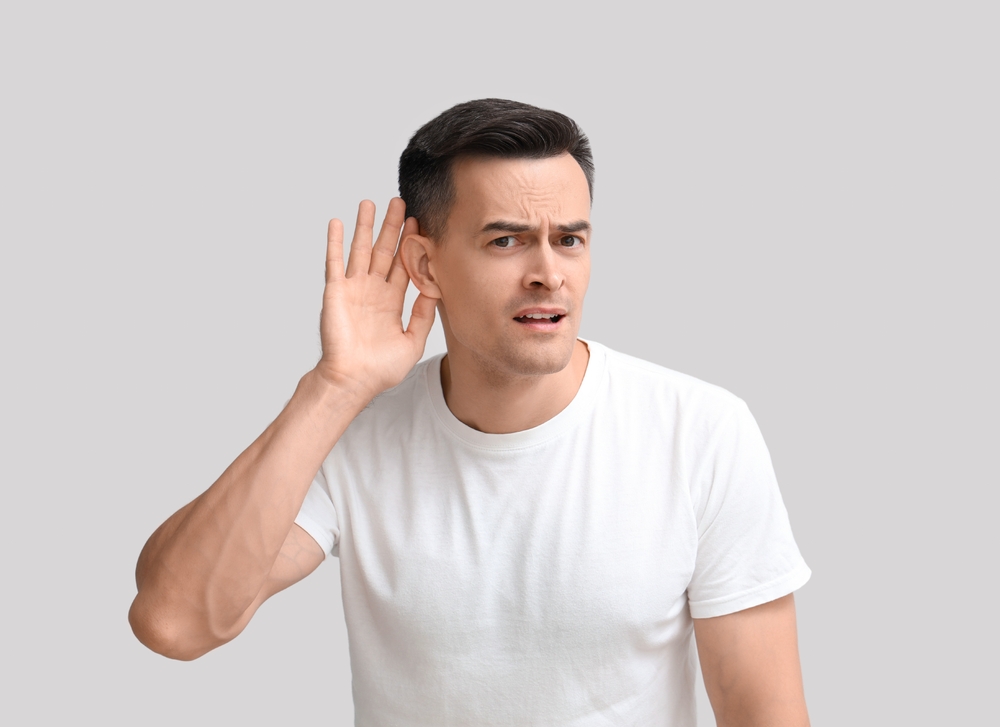
Do you often experience profound mental depletion following extended dialogue or crowded social events?
Many individuals mistakenly categorize this depletion as standard daily stress or emotional burnout. And it’s true that for introverts or people with sensory issues, social situations can be exhausting. However, in many clinical scenarios, the underlying driver is a neurological phenomenon known as auditory fatigue.
Essentially, auditory fatigue is the result of the brain over-functioning to compensate for poor sound quality. If auditory input is degraded, the brain must engage in constant phonemic restoration to bridge the gaps in speech. This persistent neurological demand inevitably results in deep mental and emotional burnout.
Auditory fatigue is frequently misidentified as standard physical or mental lethargy. In many cases, persistent fatigue serves as a diagnostic “red flag” for early-onset hearing impairment. A comprehensive assessment can help determine whether hearing loss is contributing to your symptoms. Should these symptoms persist, it is vital to discuss the possibility of hearing loss with a healthcare professional.
The Physiological Triggers of Auditory Fatigue
The risk of developing auditory fatigue is increased by several physiological and environmental factors.
Why Untreated Hearing Impairment Causes Fatigue
Failing to address hearing loss is a major factor in the development of persistent auditory fatigue.
When acoustic signals are incomplete, the brain engages in heavy “top-down” processing to reconstruct speech. Relying on context rather than clarity places an unsustainable burden on the brain during everyday conversations.
The Challenge of Complex Soundscapes
Locations with poor acoustics often act as a tipping point for auditory fatigue. Restaurants, meetings, family gatherings, and social events often include background noise competing with speech.
The presence of competing sounds forces the brain’s “noise-cancellation” filters to work at maximum capacity. This intensive filtering often leads to cognitive overload, even in patients with “hidden” or sub-clinical hearing loss.
The Role of Tinnitus in Auditory Fatigue
Chronic tinnitus compounds listening effort as the brain struggles to ignore internal noise while focusing on external speech.
Degraded signal quality resulting from hearing loss forces the auditory cortex into an inefficient processing loop.
Clinical Red Flags for Auditory Fatigue
Symptoms of auditory fatigue typically bridge the gap between mental clarity and physical stamina. Frequently observed symptoms include:
- Feeling mentally drained after conversations
- Difficulty concentrating during meetings or group discussions
- Physical head pain triggered by extended periods of listening effort
- Irritability or frustration in social settings
- Withdrawing from conversations or social events
- Compulsive need for rest after navigating a noisy environment
Frequent presentation of these symptoms is a clear sign of neurological auditory over-exertion.
The Neurology of Effortful Listening
Under optimal conditions, the auditory cortex decodes language with minimal neural expenditure. When input is weak, the brain must “steal” processing power from other areas to manage auditory interpretation.
Researchers describe this as increased cognitive load. It involves the brain siphoning energy from memory retrieval and focus to prioritize basic speech understanding. The long-term effect of this cognitive shift is the profound “emptiness” felt after socializing. Even short conversations may require more concentration than they should.
Using Clinical Evaluations to Uncover Auditory Strain
A formal auditory screening is the most effective way to determine why you feel so drained. A full audiological exam involves testing your threshold for various frequencies and your word-recognition score. Specialized “speech-in-noise” testing is often used to uncover deficits that are invisible during standard quiet-room exams.
A comprehensive hearing test can determine whether hearing loss is contributing to your fatigue and help guide the next steps for treatment. Identifying hearing changes early allows treatment to begin sooner, helping reduce listening strain before it begins affecting daily activities and social interactions.
How Modern Technology Lowers Cognitive Load
Addressing the underlying impairment is the most direct way to eliminate auditory fatigue.
High-tech hearing aids do the “heavy lifting” for the brain by isolating and clarifying voices in real-time. The brain can finally rest, receiving data that is easy to interpret and understand.
Once auditory strain is reduced, the following areas often show significant improvement:
- Sustained cognitive stamina during the workday
- Ability to follow complex dialogue without drifting off
- A return to enjoying busy restaurants and gatherings
Lowering the cognitive cost of communication allows social life to feel effortless once more.
Timing Your Audiological Evaluation
Consider booking a hearing test if any of the following rings true:
- You experience burnout after standard verbal interaction
- Friends or family members mention that you often ask them to repeat what they’ve said
- Following a group talk in a restaurant feels nearly impossible
- Social withdrawal is becoming your default response to difficult acoustics
Resolving these issues today ensures a higher standard of living and better cognitive health for the future.
Frequently Asked Questions: Auditory Fatigue
Auditory Fatigue vs. Hearing Loss: What’s the Difference?
There is a difference: the fatigue is the neurological byproduct of the effort to hear. While they are different, hearing loss is the direct driver of most fatigue cases.
Will Hearing Devices Fix My Burnout?
By performing the filtering for you, hearing aids dramatically reduce daily mental exhaustion.
Can I Recover from Auditory Fatigue?
With the right treatment, the exhaustion associated with auditory fatigue is often completely reversible.
Reclaiming Your Energy After Social Events
It is not “normal” to be wiped out by a simple talk with a friend. Feeling “wiped” after a party is a signal that your brain is struggling to manage its cognitive load.
Begin your journey back to energy by booking a comprehensive hearing test now. Reclaim your social life and your energy by getting the truth about your auditory health today.

